7227 East Baseline Road, Mesa, AZ 85209, USA
Appointments: (616) 257-7902
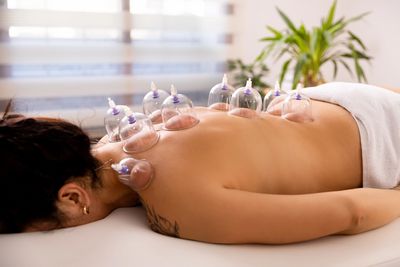
Cupping is a therapeutic technique in which cups are applied to the skin to create negative pressure, drawing the skin and superficial tissues upward. This suction is used to promote local circulation, reduce soft tissue restriction, relieve muscle tension, and support the body’s natural healing processes. Cupping may be performed using stationary cups, moving (gliding) cups, or in combination with other manual therapies, and is commonly used in musculoskeletal, sports medicine, and integrative healthcare settings.
The origins of cupping therapy date back thousands of years and span multiple cultures. Some of the earliest recorded use appears in ancient Egyptian medicine, documented in the Ebers Papyrus (circa 1550 BCE), where cupping was described as a method to treat pain and illness. The practice was also widely used in traditional Chinese medicine, where it was believed to regulate the flow of qi and blood, and in ancient Greek medicine, where Hippocrates referenced cupping for musculoskeletal and internal conditions. Over time, cupping evolved across Middle Eastern, Asian, and European medical traditions. Modern cupping techniques have incorporated contemporary understanding of anatomy, physiology, and fascia, and are now commonly integrated into evidence-informed manual therapy and rehabilitation practices.
Benefits of Cupping Therapy
Indications for Cupping Therapy:
Cupping is commonly indicated for conditions involving soft tissue restriction, pain, or impaired circulation, including:
Cupping therapy is typically used as part of an integrated treatment plan and may be combined with manual therapy, corrective exercise, or rehabilitative care to support optimal functional outcomes.